
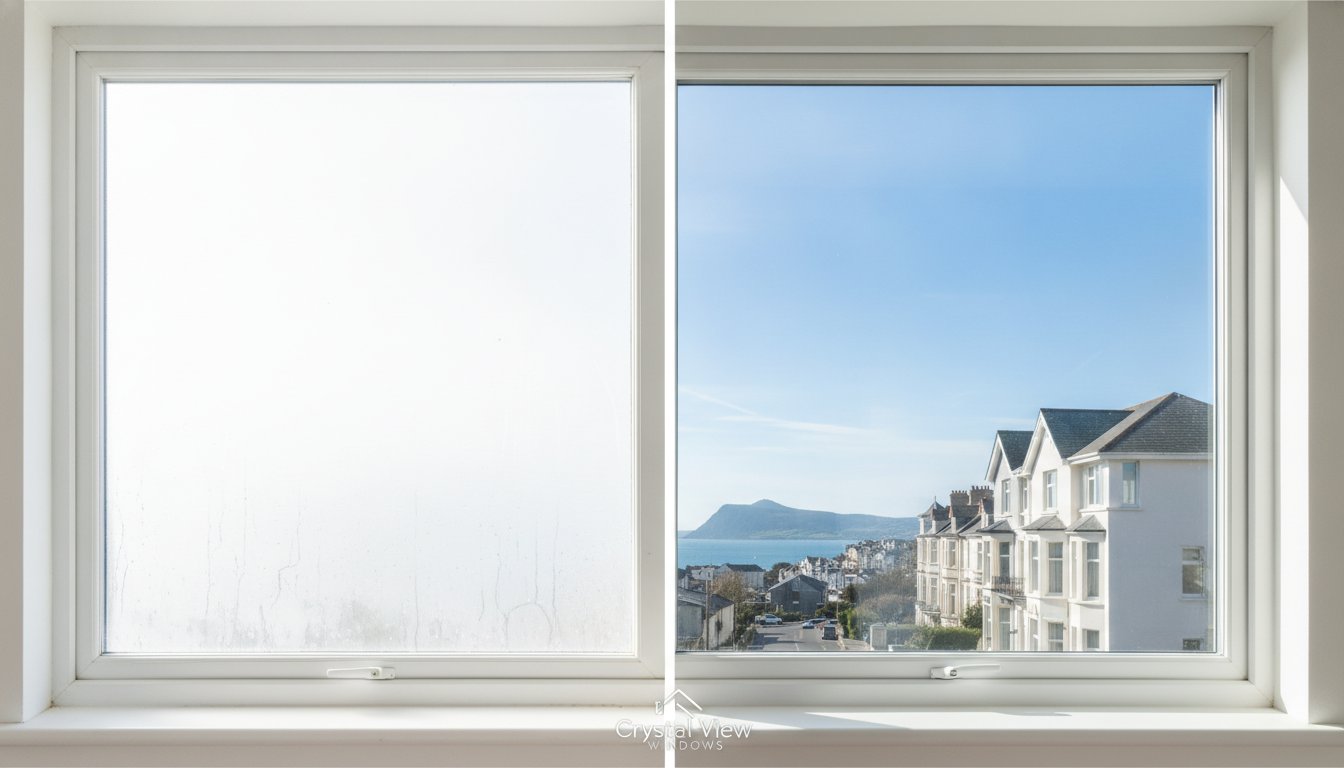
When you invest in new double glazing, you expect it to perform for many years. But what does “many years” actually mean? The lifespan of double glazed windows isn’t a fixed date on a calendar; it’s a variable influenced by material quality, installation expertise, and even your home’s specific location.
The lifespan of double glazing is the period before its thermal performance significantly degrades and the seal that holds the two panes of glass together fails. Whilst the frames may remain structurally sound for much longer, a failed sealed unit means your window is no longer providing the insulation you paid for.
This guide cuts through the vague estimates to give you a clear understanding of how long your windows should last, the specific challenges we face here in North Wales, and the definitive signs that it’s time for a replacement.
Average Lifespan: How Long Should Double Glazing Last?
The industry standard lifespan for a modern double glazed unit is typically between 20 to 30 years. However, this is an average, and several components contribute to the overall longevity of your window system. High-quality uPVC frames, for example, can often exceed 30 years with proper care, maintaining their structural integrity and appearance. The crucial element with a shorter lifespan is the sealed glass unit itself, known as an Insulated Glass Unit (IGU).
The IGU is the component that can fail, leading to misting and a loss of thermal efficiency. Therefore, when we talk about how long double glazing lasts, we are usually referring to the lifespan of this sealed unit.
The 20-Year Rule vs. Reality
You will often see a 20-year figure quoted, largely because many manufacturer guarantees for sealed units historically hovered around this mark. This became a benchmark for homeowners. However, window technology has advanced significantly since the 1990s and early 2000s. Modern manufacturing techniques, superior sealants, and the use of inert gases like argon have extended the expected longevity well beyond this old rule of thumb.
It’s vital to distinguish between a window’s structural integrity and its thermal efficiency. A 25-year-old window frame might look perfectly fine and operate correctly, but if the seal on its IGU has failed, it offers little more insulation than a single pane of glass. Its primary function—keeping your home warm—has been compromised.
Lifespan by Frame Material
The material your window frames are made from plays a significant role in their overall durability and how long the entire system will last before needing a full replacement.
- uPVC Windows: Unplasticised Polyvinyl Chloride is the most popular choice in the UK, offering an excellent balance of cost, low maintenance, and durability. You can expect a high-quality uPVC window frame to last for 25-30 years, and often longer, without succumbing to rot, rust, or fading.
- Aluminium Frames: Known for their slim sightlines and exceptional strength, aluminium frames have an impressive lifespan of 35-45 years. Their resistance to corrosion makes them a superb choice, particularly for coastal properties where they can withstand the harsh, salt-laden air.
- Composite Doors and Windows: These products combine materials like uPVC, wood, and insulating foam to maximise performance. The lifespan is determined by the quality of the constituent parts, but premium composite doors are engineered for long-term stability and security, easily matching the 30+ year lifespan of modern uPVC frames.
Key Factors Influencing Window Longevity
Not all double glazing is created equal, and not all homes present the same challenges. Four key factors will determine whether your windows last for 15 years or 35 years.
- Installation Quality: This is, without doubt, the single most important factor. A premium window installed poorly will fail prematurely. Correct fitting ensures the frame is level, square, and properly supported, preventing stress on the glass seals.
- Environmental Exposure: A south-facing window baked by the sun all day will experience more thermal stress (expansion and contraction) than a north-facing one. Likewise, properties in exposed, coastal locations face a tougher battle against the elements.
- Manufacturing Standards: The quality of the components inside the sealed unit matters. The spacer bar, which separates the panes, contains a desiccant material designed to absorb any moisture trapped during manufacturing. A higher volume and quality of desiccant will prolong the life of the seal.
- Usage Frequency: A window that is opened and closed daily will naturally experience more wear and tear on its hardware, such as hinges and locks, than a fixed-pane window. Regular maintenance of these moving parts is key.
Coastal Challenges in North Wales
Living on the beautiful North Wales coast, from Llandudno to Anglesey, presents unique environmental challenges for double glazing. Standard windows not specified for this environment can fail much faster.
- Salt Spray Degradation: The salty air carried on the wind can be corrosive. Over time, salt crystals can build up and degrade rubber seals and gaskets, compromising their flexibility and allowing moisture to penetrate the system.
- High Wind Impact: The strong winds we experience, particularly in exposed areas like Llandudno’s West Shore, exert significant pressure on window frames. If not installed with robust fixings, this can lead to frame movement and alignment issues, putting strain on seals and locks.
- Marine-Grade Finishes: For hardware like handles and hinges, a standard finish can quickly become pitted and corroded by the salt air. Opting for marine-grade stainless steel or specially coated hardware is essential for long-term functionality and appearance.
This emphasis on marine-grade durability is shared by those who operate in the world’s most remote coastal environments. For example, if you are planning an adventure to the Pacific, you might explore Panga Fishing Packages at the Los Buzos resort to see how specialised equipment handles the elements.
The Role of Professional Installation
The difference between a 10-year lifespan and a 30-year lifespan often comes down to the skill of the installation team. “Cowboy” or inexperienced fitters make common mistakes that doom windows from day one.
- Improper Levelling: If a frame isn’t installed perfectly level, it can lead to “frame drop,” where the weight of the glass unit pulls the frame out of square. This creates gaps, allows draughts, and places immense stress on the sealed unit.
- Inadequate Fixing: A correctly installed window is securely fixed into the brickwork, not just held in by expanding foam. This structural anchoring is what allows it to resist wind loading and remain stable for decades. A poorly fixed window will move, flex, and fail.
–Blocked Drainage: uPVC frames have small, engineered drainage channels to allow rainwater to escape. If these are blocked by sealant or the frame is fitted incorrectly, water can pool inside the profile, leading to internal damage and accelerating seal failure.
5 Warning Signs Your Double Glazing Needs Replacing
How can you tell if your windows are nearing the end of their life? Look out for these five definitive warning signs. If you notice one or more, it’s time to consider an upgrade.
- Condensation Between the Panes: This is the most obvious sign. If you see mist, fog, or water droplets trapped between the two layers of glass, the seal has “blown” or failed. The insulating gas has escaped, and moist air has entered, rendering the unit thermally inefficient.
- Persistent Draughts: Can you feel a noticeable cold draught even when the window is fully locked? This often indicates that seals have perished or the window sash has dropped, creating gaps that let cold air in and warm air out.
- Visible Chips or Cracks: Any physical damage to the glass compromises the integrity of the unit and is a safety concern. Significant discolouration or cracking of the uPVC frame itself indicates it has become brittle and is structurally failing.
- Water Ingress: Finding pools of water on your internal windowsill after heavy rain is a major red flag. It means water is bypassing the window’s drainage system, a sign of either a failed seal, blocked drainage, or a poor installation.
- Difficulty Operating: If you struggle to open, close, or lock your windows, it’s more than just an annoyance. It suggests the window is no longer sitting squarely in its frame due to hinge failure or frame warping, which puts constant stress on the glass and seals.
Misting and Condensation Explained
Not all condensation is a sign of failure. It’s crucial to know where the moisture is appearing.
- External Condensation (Outside the glass): If you wake up to find condensation on the outside of your windows, don’t worry. This is actually a good sign! It proves your double glazing is working effectively, preventing your home’s warmth from escaping and keeping the outer pane of glass cold enough for dew to form on it.
- Internal Condensation (Inside your room): Moisture on the inside of the glass is typically a sign of excess humidity and poor ventilation within your home, not window failure. Activities like cooking, drying clothes, and even breathing release moisture into the air. Improving ventilation by opening windows or using extractor fans will usually solve this.
- Between-Pane Misting: This is the one to worry about. As mentioned, it means the perimeter seal of the IGU has failed. The desiccant inside the spacer bar has become saturated and can no longer absorb moisture, leading to the permanent foggy appearance.
Draughts and Rising Energy Bills
Old, inefficient double glazing can be a major source of heat loss in your home. Even if you can’t see a visible gap, cold air can find its way in. A simple way to check is the “candle test”: on a windy day, carefully move a lit candle or smoke stick around the perimeter of the window frame. If the flame flickers, you have an air leak.
There is a direct correlation between the age of your double glazing and your heating costs. A failed unit from 20 years ago has a much lower thermal performance (a higher U-value) than a modern A-rated window. Upgrading can lead to significant savings. If you’re noticing rising energy bills, a survey of your windows is a wise first step. For more on this, read our practical guide to saving on heating bills with energy-efficient windows.
Whilst applying new draught-proofing strips can offer some temporary relief, it’s a short-term fix that doesn’t address the root cause of a failing frame or warped sash.
Repairing Misted Units vs. Full Window Replacement
When a sealed unit fails, homeowners are faced with a choice: should you just replace the glass, or is it time for a whole new window? The right answer depends on the condition of your existing frames.
- When to Choose Glass-Only: If your window frames (uPVC or aluminium) are still in excellent structural condition—not warped, cracked, or discoloured—and the locks and hinges work perfectly, then simply replacing the misted IGU is a cost-effective solution.
- The Problem with “Repair” Kits: You may see services advertised that involve drilling a hole in the glass, cleaning the inside, and inserting a new valve. These are not a permanent solution. They do not restore the insulating argon gas and often fail again quickly, leaving you with a compromised window that has a hole in it.
- Why Full Replacement is Often Better: If the frame itself is degraded, draughty, or difficult to operate, putting a new glass unit into it is a false economy. The underlying problems will remain. A full replacement allows you to address structural issues and benefit from the huge advances in thermal efficiency, security, and acoustic insulation offered by modern window systems.
The “Glass-Only” Solution
A professional glazier can measure and order a replacement IGU to fit your existing frame. The process involves carefully removing the beading that holds the old unit in place, lifting the failed unit out, and fitting the new one with fresh seals. This is a viable option for relatively new windows (e.g., 10-15 years old) where a single unit has failed prematurely but the surrounding frame is still performing well. However, be aware that a new, perfectly clear glass unit can sometimes make older, slightly weathered neighbouring windows look their age.
When Full Replacement is Essential
Investing in entirely new windows is the necessary choice when the problems go beyond the glass itself. This is the only way to truly solve the issue and secure your home for the long term.
- Structural Frame Drop: If the window sash has dropped and can no longer be adjusted to seal properly, the frame’s integrity is compromised. A new glass unit won’t fix this.
- Upgrading Energy Efficiency: First-generation double glazing from the 1980s and 90s has very poor thermal performance compared to today’s A-rated standards. A full replacement offers a massive upgrade in insulation, reducing your energy bills and improving comfort.
- Ensuring Property Aesthetics: Replacing all windows at once ensures a consistent, clean look across your property. It’s an opportunity to modernise your home’s appearance, perhaps switching to a new colour or style like flush casement windows. To learn more about your options, see our 2026 homeowner’s buying guide for double glazed windows.
Ensuring Maximum Lifespan with Modern Standards
To ensure your new windows last for decades to come, it pays to prioritise quality from the outset. Choosing high-specification materials and a reputable installer is the best way to protect your investment.
Modern “warm edge” spacer bars, which are made from a low-conductivity material instead of traditional aluminium, are a key feature to look for. They reduce heat loss around the perimeter of the glass and lessen the thermal stress on the seal, helping to prevent premature failure.
Crucially, always choose a FENSA-registered installer. FENSA is the government-authorised scheme for window and door installations. Using a FENSA-approved company ensures the work complies with Building Regulations and provides you with an insurance-backed guarantee, giving you complete peace of mind.
Maintenance Tips for Homeowners
Once your new windows are installed, a little routine maintenance can significantly extend their life and keep them operating smoothly.
- Clean Frames and Glass: At least twice a year, wash your uPVC frames and glass with a soft cloth and warm, soapy water. Avoid abrasive cream cleaners or harsh chemicals, which can damage the surface finish.
- Clear Drainage Holes: Check the small drainage slots at the bottom of the outer frame and ensure they are clear of dirt and debris. This allows rainwater to drain away effectively and prevents it from building up inside the frame.
–Lubricate Moving Parts: Annually, apply a light spray of silicone-based lubricant to hinges, locking mechanisms, and other moving parts to ensure they continue to operate effortlessly.
The Ashe Windows Approach to Longevity
At Ashe Windows, we understand that windows are a long-term investment in your property’s comfort, security, and value. Our entire process is built around ensuring maximum longevity, especially for homes here in North Wales.
- Premium Materials: We source high-specification uPVC and aluminium systems engineered to withstand the specific challenges of our coastal climate, from salt air to high winds.
- Installation Excellence: Our focus on structural integrity is absolute. Our experienced, FENSA-accredited teams ensure every frame is perfectly level, square, and securely fixed to provide a stable, weather-tight fit that protects the sealed unit for its entire lifespan.
If you’re concerned about the age or performance of your current windows, we can provide an honest, no-obligation assessment. Book a free survey with Ashe Windows to assess your current glazing and get expert advice tailored to your home.
Frequently Asked Questions
Can you just replace the glass in double glazing?
Yes, absolutely. If the window frame is still in good structural condition, a glazier can replace just the failed Insulated Glass Unit (IGU). This is a common and cost-effective repair for misted or broken double glazing.
Is it worth replacing 20-year-old double glazing?
In most cases, yes. Even if the seals haven’t failed, a 20-year-old window will have significantly poorer thermal performance than a modern A-rated equivalent. Replacing it will lead to a warmer home, lower energy bills, and improved security.
Why do my double glazed windows have condensation on the outside?
This is a good sign! Condensation on the outer pane of glass means your double glazing is working very well. It’s preventing heat from escaping your home, which leaves the external glass surface cold enough for moisture in the air to condense on it, just like dew on grass.
Does salt air affect the lifespan of uPVC windows in North Wales?
Yes, the coastal environment can be harsh. Salt spray can degrade rubber gaskets over time and corrode poor-quality hardware like handles and hinges. However, high-quality, modern uPVC is extremely resilient to the salt itself and will not corrode like some other materials.
How much does it cost to replace a failed double glazing seal?
The cost is for replacing the entire sealed glass unit, not just the seal. The price varies depending on the size of the glass unit and any special features (e.g., toughened or laminated glass), but it is significantly cheaper than replacing the whole window.
Can draughty windows be fixed without replacing the whole window?
Sometimes. Draughts can be caused by failed seals, which can be fixed by replacing the glass unit. They can also be caused by worn hinges or locking mechanisms that need adjusting or replacing. However, if the draught is due to a warped or twisted frame, a full replacement is the only permanent solution.
What is the difference between misted glass and a failed seal?
They are two terms for the same problem. “Misted glass” is the visible symptom—the condensation between the panes. A “failed seal” or “blown unit” is the cause—the perimeter seal of the Insulated Glass Unit has been breached, allowing moist air to get inside.
Do modern double glazed windows last longer than older ones?
Yes, generally they do. Advances in sealant technology, the use of “warm edge” spacer bars, and improved manufacturing processes mean that a high-quality modern double glazed unit has a longer expected lifespan and better performance than one made 20-30 years ago.