
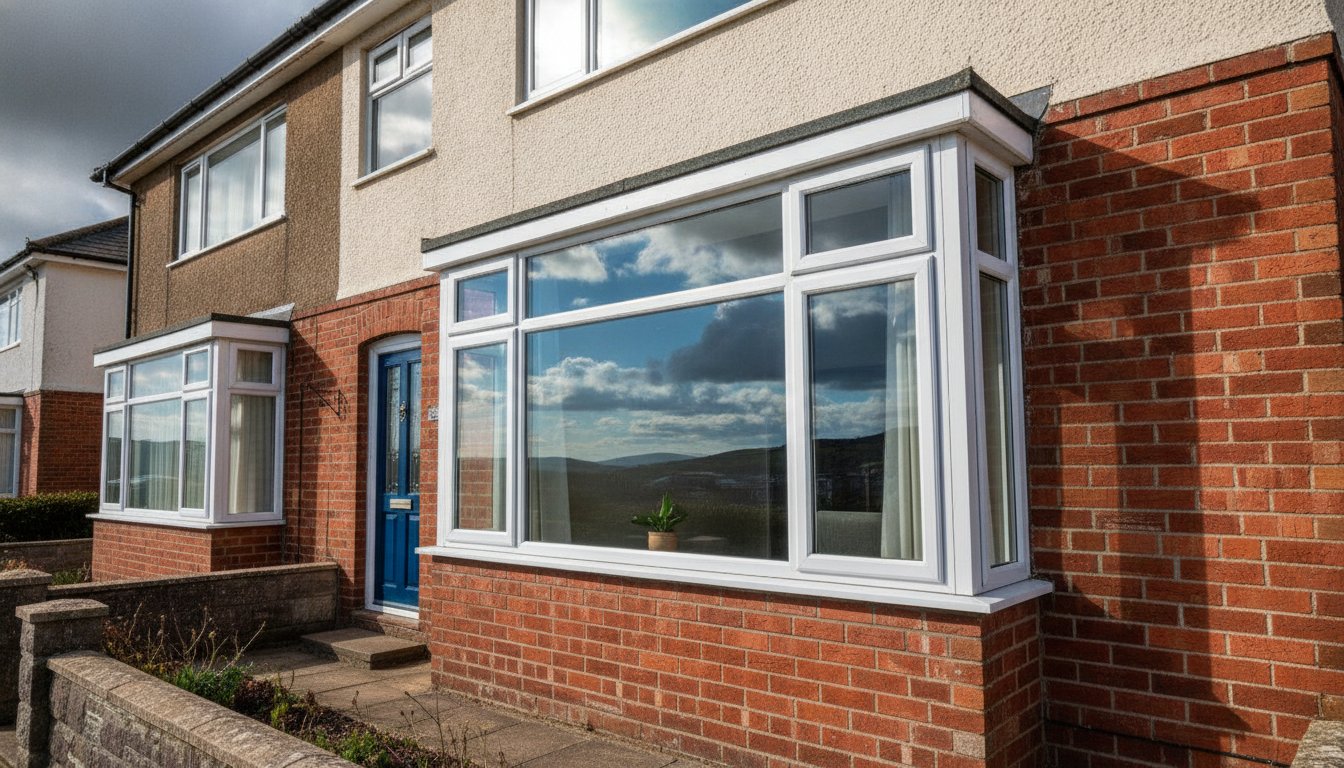
Did you know that homes in Wales now face stricter energy efficiency standards for windows than those in England? With the Welsh Government setting a limiting U-value of 1.4 W/m²K, choosing the right energy efficient windows North Wales properties require is no longer just about comfort. It’s a matter of regulatory compliance and long-term financial common sense.
You probably already know how brutal a coastal storm feels when old glazing rattles in its frame. High heating bills and damp patches from condensation are common frustrations for local homeowners. The Energy Saving Trust estimates that gas-heated homes in Wales could save up to £140 a year with new windows. This guide explains how modern glazing protects your home from the Irish Sea’s salt air whilst significantly lowering your monthly outgoings.
We’ll examine the latest 2026 building regulations, explain the difference between A-rated and triple-glazed units, and show you how to choose windows that actually last in our unique climate.
Key Takeaways
- Understand why professional sealing and high wind-load resistance are essential for properties exposed to the North Wales coastal climate.
- Learn how to use U-values and BFRC ratings to identify windows that provide the highest levels of thermal insulation.
- Compare the benefits of double and triple glazing to determine which option is structurally and thermally right for your home.
- Discover which frame materials for energy efficient windows North Wales require the least maintenance in salty, humid air.
- Identify how specific glazing choices can eliminate draughts and significantly reduce your annual heating expenditure.
Why Energy Efficient Windows are Essential for North Wales Homes
Energy-efficient windows are engineered systems designed to minimise heat transfer and prevent air leakage. Unlike traditional single-pane units, these modern installations use Insulated glazing technology to create a thermal barrier between your living space and the outdoors. This barrier is the most important part of your home’s thermal envelope. It directly impacts your property’s Energy Performance Certificate (EPC) rating. High-performance windows stop heat from escaping during winter and keep your rooms cooler in summer. For local homeowners, installing energy efficient windows North Wales properties require is the fastest way to eliminate persistent cold spots and rattling draughts in exposed rooms.
Combating the North Wales Coastal Climate
Living in coastal areas like Llandudno or Conwy presents unique challenges for external fixtures. Salt spray is corrosive. It can degrade standard rubber seals over time, leading to hidden air leaks. High wind speeds common along the Irish Sea coast place immense pressure on window frames. This makes weather-tightness ratings a priority for any replacement project. Professional-grade energy-efficient systems use multi-point locking and reinforced gaskets to withstand these conditions. In traditional stone-built Welsh homes, high-performance glazing works to reduce the “cold-wall” effect by maintaining an internal glass temperature that stays close to the room’s ambient air temperature. This prevents that familiar chill often felt when sitting near older windows during a storm.
The Financial Impact: Energy Bills and Property Value
Upgrading your windows is a practical investment with a clear return. Modern glazing reduces your reliance on central heating by trapping natural solar gain and preventing furnace heat from leaking out. This is particularly important during long Welsh winters when heating systems often run at maximum capacity. Moving from old, draughty frames to the energy efficient windows North Wales specialists recommend provides an immediate reduction in monthly outgoings. The Energy Saving Trust suggests gas-heated homes can save up to £140 annually with these upgrades.
Beyond monthly savings, energy efficiency is a major selling point. Local buyers increasingly prioritise low running costs and high EPC scores. Improving your property’s efficiency through better glazing makes it more desirable in a competitive market. It signals that the home is well-maintained and protected against rising energy costs. This long-term ROI makes window replacement one of the most effective home improvements available today.
Understanding Window Energy Ratings: U-Values and Beyond
Understanding the technical jargon is the first step toward a warmer home. The most critical metric is the U-value. This measures the rate of heat transfer through a window. A lower number indicates better insulation. For example, a single-pane window might have a U-value of 5.0, whilst modern energy efficient windows North Wales properties need should aim for 1.4 or lower to meet current 2026 Welsh building regulations. The British Fenestration Rating Council (BFRC) simplifies this with an A++ to E scale. An A-rated window is the standard for high performance, ensuring your home retains heat effectively during a cold Gwynedd winter.
High-performance units use Low-E (low emissivity) coatings. This microscopic layer reflects internal heat back into your room rather than letting it escape through the glass. To enhance this effect, manufacturers fill the space between panes with inert gases like Argon or Krypton. These gases are denser than air. They slow down the movement of heat between the glass layers. For a detailed technical breakdown of how these components function, consult this guide on Understanding Energy Efficient Performance.
The Role of Low-E Glass and Solar Gain
Windows also have a G-value, which measures solar heat gain. This is the amount of free warmth from the sun that passes through the glass. In North Wales, where winters are long, a high G-value can help reduce heating costs in south-facing rooms. North-facing orientations receive less sun and face colder winds. These windows require higher insulation specs to prevent heat loss, even if solar gain is minimal. Balancing these values ensures your home stays comfortable regardless of which way it faces.
Warm Edge Spacer Bars and Insulated Frames
The edge of the glass is a common point of failure for insulation. Traditional aluminium spacer bars conduct heat, creating a thermal bridge that leads to condensation. Modern warm edge spacer bars use plastic or composite materials to stop this heat leak. A window is only as efficient as its weakest component, which is often the spacer bar. The frame material is equally vital. Multi-chambered uPVC or composite frames trap air to provide additional insulation. If you want to see how these components work together, you can browse our range of double glazed windows to find a solution for your property.
Glazing Options: Comparing Double vs Triple Glazing for Local Homes
Choosing between double and triple glazing is a matter of balancing performance against your specific budget. Modern double glazing is the standard choice for most residential streets. It easily meets the new Welsh building regulation requirement of a 1.4 W/m²K U-value. Triple glazing takes this further, often achieving U-values as low as 0.8. However, this extra pane of glass adds significant weight. For older Welsh stone cottages or properties with original timber lintels, this extra load may require structural consideration. Whilst triple glazing provides superior insulation, it typically costs around 40% more than double glazing, making it a specialized choice rather than a default requirement.
Noise pollution is another factor for homes near busy transport links. If your property sits near the A55 or a main coastal railway line, triple glazing offers a noticeable reduction in acoustic transfer. The varying thicknesses of glass and the additional gas-filled cavity disrupt sound waves more effectively than two panes alone. When looking for energy efficient windows North Wales homeowners should assess whether their primary goal is heat retention, soundproofing, or a combination of both.
When is Triple Glazing Worth the Investment?
Triple glazing is most effective in extreme environments. Highly exposed coastal sites, such as seafront properties in Rhyl or Llandudno, benefit from the added wind-load resistance and thermal stability. North-facing bedrooms that never see the sun are also prime candidates for the extra insulation. In these cases, the reduction in cold spots and internal downdraughts justifies the higher upfront cost. There is also a security advantage; three panes of toughened glass are significantly harder to breach than two. In well-insulated modern builds, however, the returns diminish as the rest of the structure is already thermally efficient.
The Performance of Modern Double Glazing
You don’t always need three panes to achieve high efficiency. A-rated energy efficient windows North Wales properties use today are vastly superior to the double glazing installed 15 or 20 years ago. Improvements in Low-E coatings and warm-edge spacer bars mean a modern double-glazed unit can retain significantly more heat than its predecessors. It remains the most cost-effective solution for standard homes. You can identify if your current glazing has failed by looking for these signs:
- Condensation or misting trapped between the two glass panes.
- Visible draughts or whistling sounds during high winds.
- Obvious cold spots on the internal glass surface during winter.
- Water ingress around the frame edges after heavy rain.
If you notice these issues, your windows are no longer providing a thermal seal and are likely increasing your heating costs.
Choosing the Right Frame Material for Thermal Efficiency
The frame material you choose is just as important as the glazing for the overall performance of energy efficient windows North Wales homeowners install. Modern frames use multi-chambered designs. These internal pockets trap air to create a thermal barrier, preventing heat from conducting through the frame. In our coastal environment, the material must also withstand high winds and salt spray without degrading. Whether you’re looking for the classic look of a stone cottage or the sleek lines of a modern renovation, the frame provides the structural and thermal foundation for the entire window system.
UPVC and Timber-Effect: Performance and Style
Modern uPVC is a leading choice for thermal efficiency. It’s naturally insulating and requires very little maintenance. Unlike traditional timber, uPVC won’t rot or warp when exposed to the humid, salty air of the North Wales coast. For those living in traditional cottages or properties in rural Gwynedd, timber-effect frames offer a practical compromise. These frames replicate the grain and joinery of wood whilst providing the superior thermal seals of modern materials. They offer a solution for maintaining character without sacrificing warmth. This material is particularly durable against salt-air corrosion, making it a reliable long-term investment.
Aluminium Windows: Slim Sightlines and Modern Efficiency
There’s a common myth that aluminium windows are cold. In the past, this was true, but modern aluminium frames feature advanced thermal breaks. These are insulating sections within the frame that stop heat transfer. Aluminium is incredibly strong, which allows for slimmer sightlines and larger glass areas. This makes it a popular choice for home extensions North Wales residents often use to maximise coastal views. It doesn’t rust, making it a durable, low-maintenance option for even the most exposed sites.
Navigating Conservation Areas and Article 4 Directions
Llandudno and Conwy are famous for their Victorian and Edwardian architecture. Many properties in these areas are subject to Article 4 Directions or conservation rules. These regulations often restrict the type of windows you can install. You must match the original aesthetics, such as sliding sash designs or specific frame colours. Achieving modern energy standards within these constraints requires local expertise. It’s possible to install planning-compliant windows that still offer A-rated performance. If you’re unsure about the requirements for your property, you can speak with our local specialists for advice on heritage-appropriate designs.
Expert Installation: The Key to Energy Efficiency in North Wales
Even the highest-rated energy efficient windows North Wales homeowners purchase will fail if the installation is poor. A window with a leading U-value is useless if air leaks around the frame. Professional installation ensures the thermal envelope remains intact. Meticulous sealing prevents draughts and water ingress during coastal storms. At Ashe Windows, we maintain strict professional standards to protect your investment and ensure long-term performance.
A precision fit is the foundation of energy efficiency. If a frame is even a few millimetres off, it creates a gap that thermal sealants struggle to bridge over time. Our process begins with a detailed technical survey. We check the structural integrity of your openings, including lintels and damp proof courses, before any work begins. This prevents future issues with dampness or frame movement. Every installation concludes with a FENSA certificate. This confirms the work meets current UK building regulations and energy standards, providing essential documentation for any future property sale.
Professional sealing involves more than just a bead of silicone. We use high-grade, weather-resistant sealants that remain flexible. This flexibility is crucial because frames expand and contract with temperature changes. In North Wales, these changes are often rapid. A seal that cracks will let in draughts and moisture, undoing the benefits of your new glazing. Our installers focus on these small details to prevent thermal bridging and air leakage.
Why a Local Installer Matters
Using a North Wales company offers distinct advantages. We understand local building styles, from thick-walled stone cottages to modern sea-front apartments. Local knowledge of wind loads is vital. We use specific fixings and hardware designed to withstand the pressure of Irish Sea gales. You don’t have to worry about standard fixings that might fail in high-exposure sites. Being based in Llandudno means our team is always nearby for aftercare and support. You won’t have to wait for a national firm to travel from across the border if you need advice or a follow-up visit.
The Ashe Windows Approach to Energy Efficiency
We combine high-spec materials with precise workmanship. Our reputation is built on being a dependable local expert that values your time and property. We invite you to visit our showroom to see the quality of our energy efficient windows North Wales range first-hand. You can examine the multi-chambered frames and glazing options discussed in this guide. Alternatively, we can come to you for a practical assessment of your property. Book a free energy efficiency survey for your North Wales home to get started. We’ll assess your current windows and provide a clear, no-nonsense plan for improving your home’s comfort and reducing your annual heating bills.
Protect Your Home and Lower Your Energy Costs
Upgrading your home’s glazing is a practical step toward long-term comfort. You now understand how U-values and material choice impact your heating bills. Modern frames and glass don’t just save money; they eliminate the draughts and rattling common in our coastal climate. Choosing the right energy efficient windows North Wales homeowners need ensures your property remains warm, quiet, and compliant with the latest Welsh building regulations.
Ashe Windows is a local, Llandudno-based family business with a reputation for reliability. Our team of FENSA registered installers handles every project with precision. We provide 10-year insurance-backed guarantees on our installations for your peace of mind. Professional standards and local knowledge make us a dependable partner for your home improvement project.
Take the first step toward a more efficient property. Request a free quote for energy efficient windows from Ashe Windows today. We’re ready to help you create a warmer, more comfortable living environment year-round.
Frequently Asked Questions
How much can I save on my energy bills with new windows in North Wales?
You can save up to £140 per year according to estimates from the Energy Saving Trust for gas-heated homes in Wales. The exact amount depends on the size of your property and the efficiency of the units you replace. Upgrading from single-pane glass to modern energy efficient windows North Wales homeowners install provides the most significant immediate reduction in heating costs.
What is the best U-value for windows in the UK?
A U-value of 1.4 W/m²K or lower is the target for compliance with the 2026 Welsh building regulations. Lower numbers indicate better insulation. Whilst the legal limit is 1.4, high-performance A-rated windows often achieve values between 1.0 and 1.2. Triple-glazed units can reach as low as 0.8, providing the maximum thermal barrier currently available.
Do I need triple glazing if I live on the North Wales coast?
Triple glazing is highly recommended for properties in exposed coastal locations like Rhyl or Llandudno. The extra pane provides superior resistance against high wind loads and significantly reduces noise from the sea and storms. For homes on sheltered residential streets, A-rated double glazing is usually sufficient to meet energy efficiency goals and provide a comfortable environment.
Can I install energy-efficient windows in a conservation area like Llandudno?
Yes, you can install energy-efficient glazing in conservation areas by choosing heritage-appropriate designs. Many local authorities allow uPVC or aluminium if they replicate original features like sliding sashes or specific frame profiles. It is vital to check if your property is subject to an Article 4 Direction before starting work. We can help you identify planning-compliant options for your specific street.
How long does it take to install replacement windows?
A standard installation for a three-bedroom house usually takes between one and two days. Larger projects or home extensions may take longer depending on the complexity of the frames. Our team works efficiently to ensure your home is weather-tight at the end of each day. We provide a clear timeline after the initial technical survey is complete.
What is the difference between A and A++ rated windows?
The difference lies in the balance of heat retention and solar gain. A-rated windows are the industry standard for efficiency. A++ rated units use advanced glass coatings and gas fills to achieve even higher thermal performance. Choosing A++ energy efficient windows North Wales properties require ensures you are using the most advanced technology to trap heat inside your home during winter.
Will new windows stop the condensation inside my home?
New windows will eliminate internal condensation caused by failing seals or cold glass surfaces. If you see misting between the panes, your current units have failed and need replacing. You may notice condensation on the outside of new high-performance windows in the morning. This is actually a sign that the glass is working correctly and keeping the heat inside your room.
Is it better to repair or replace old double glazing?
Replacement is almost always the better long-term investment for energy efficiency. Repairs like replacing a single blown unit don’t address the outdated thermal performance of the rest of the frame. Modern systems offer significantly better U-values than those manufactured 15 years ago. Replacing the entire unit ensures you benefit from the latest security features and a full 10-year guarantee.
1 thought on “Energy Efficient Windows North Wales: A Practical Guide to Saving on Heating Bills”
Comments are closed.