
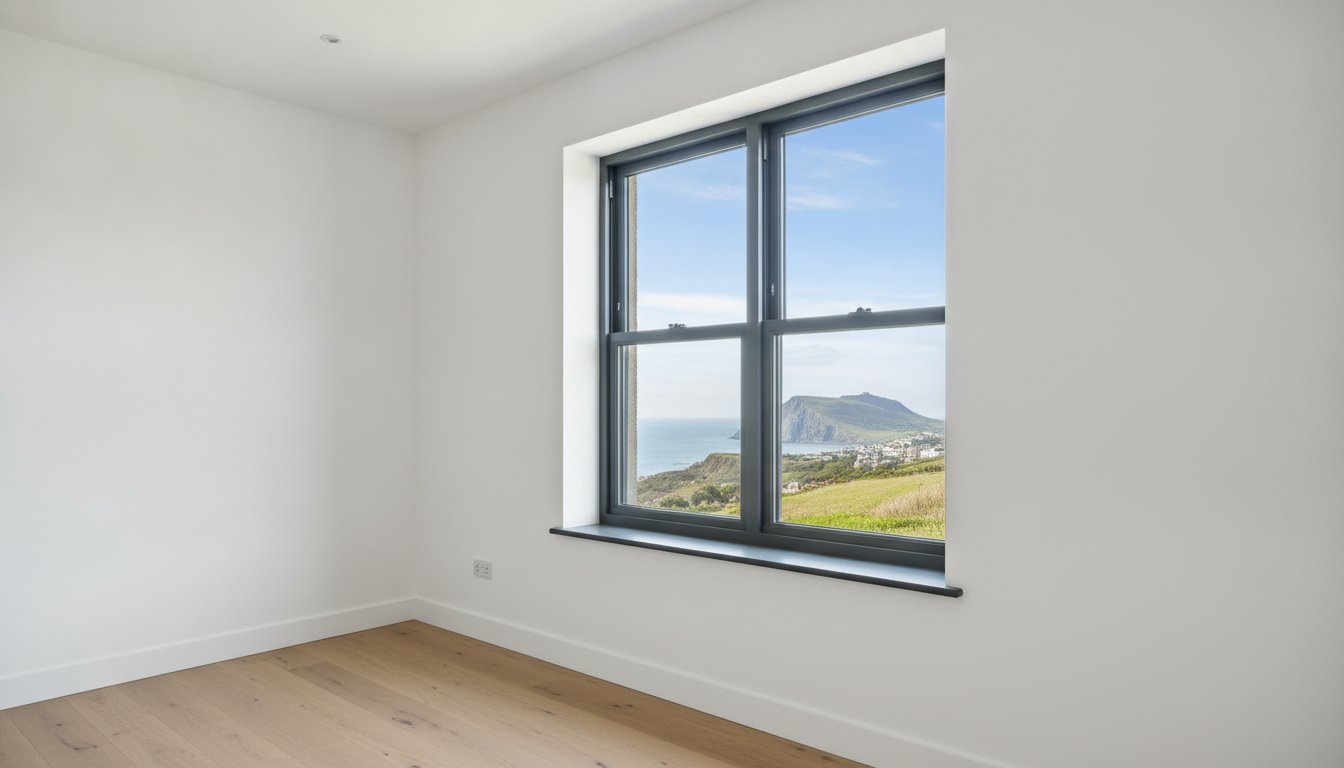
Adding a third pane of glass might not actually stop the A55 traffic noise keeping you awake at night. Many homeowners assume more glass always means less noise, but effective sound insulation relies on disrupting specific frequencies through asymmetric glazing. If you are dealing with the constant cry of seagulls in Llandudno or whistling coastal winds, you need a solution tailored for our local environment. Choosing the right soundproof windows North Wales is about more than just quiet; it is about reclaiming your home as a private sanctuary.
Creating a quiet home environment is a vital component of self-care; for women seeking further professional support for their mental well-being, you can learn more about Female Focused Therapy.
We know how frustrating it is when old seals and thin glass let the outside world in. You deserve a peaceful environment and lower energy bills without the confusion of conflicting technical advice. This guide explains how modern acoustic glazing works to silence your home in 2026. We will compare double and triple glazing performance, outline the latest building regulations, and show you why expert local installation is the most critical factor for a silent result.
Key Takeaways
- Learn why specialised acoustic glazing outperforms standard glass at disrupting traffic and wind noise.
- Discover how asymmetric glass thicknesses and PVB interlayers absorb vibrations to quieten your home.
- Understand why triple glazing is not always the quietest option and how it can sometimes amplify sound.
- See why professional installation is vital for the performance of soundproof windows North Wales.
- Find out how bespoke assessments ensure your new windows tackle specific local noise like coastal seagulls.
Understanding Soundproof Windows: What Does “Acoustic Glazing” Mean?
Living near the A55 or along the exposed coastline of North Wales brings specific challenges. The constant drone of traffic and the high-pitched whistle of coastal gales can make relaxing at home difficult. When people search for soundproof windows North Wales, they are usually looking for a way to restore peace to their living space. It’s important to understand that “soundproofing” is a popular term for what professionals call acoustic glazing.
Acoustic glazing refers to a specialised What Does “Acoustic Glazing” Mean? unit engineered to disrupt and absorb sound waves. Unlike standard glass, these units use specific configurations to block noise from entering your property. In our region, this technology is essential for tackling local noise pollutants. These include the low-frequency rumble of heavy transport on the A55, the persistent squawk of seagulls in Llandudno, and the buffeting sounds of Atlantic storms. Total silence is a myth in the glazing industry; instead, we focus on significant sound reduction to create a quiet sanctuary.
To measure how effective a window is at blocking noise, we use the Weighted Sound Reduction Index, known as the Rw rating. This index provides a clear figure in decibels to show how much sound the glass can stop. A higher Rw rating means better acoustic performance. By understanding this metric, you can make an informed choice about the level of quiet your home requires.
The Decibel Scale: How Much Quiet Can You Buy?
The human ear perceives sound on a logarithmic scale. A reduction of just 10dB is perceived by most people as a 50% decrease in noise levels. This is a massive difference when you are trying to sleep or work from home. Standard single glazing typically offers a rating of approximately 20-25dB. High-performance acoustic units can push this to 35-40dB or even higher. The Rw rating is the industry standard for measuring sound insulation in decibels.
Why Standard Double Glazing Often Isn’t Enough
Many older Llandudno properties already have double glazing, yet homeowners still suffer from outside noise. This happens because standard units often use two panes of glass with identical thicknesses. When panes are the same, they vibrate at the exact same frequency. This creates a “sympathetic resonance” effect. Sound waves pass through the glass with very little resistance, almost as if the second pane weren’t there. To stop the noise, you need to break that vibration cycle. Relying on basic double glazing for soundproof windows North Wales often leaves residents disappointed because it fails to address these specific acoustic physics.
The Science of Silence: How Soundproof Windows Work
To understand how soundproof windows North Wales homeowners rely on actually function, we have to look at how sound travels. Sound is a vibration that moves through the air as a wave. When these waves hit a standard window, they cause the glass to vibrate, passing the noise into your home. Reducing this noise requires three specific engineering techniques: mass, dampening, and disruption. By combining these, we can create a barrier that standard windows simply cannot match.
The gap between the panes also plays a critical role in this process. Filling this space with an inert gas like Argon or Krypton provides better insulation than plain air. These gases are denser than oxygen, which helps dampen sound transmission as it moves between the glass layers. Finally, the frame material itself contributes to the result. While aluminium is popular for its slim sightlines, uPVC and timber are naturally denser and better at absorbing vibrations. Choosing a high-quality frame ensures the entire unit works as a cohesive sound barrier rather than a vibrating drum.
Asymmetric Glazing: Disrupting the Frequency
Sound waves struggle to pass through materials of different densities and thicknesses. In a standard double-glazed unit, both panes are usually 4mm thick. This allows sound to skip through easily because both panes vibrate at the same frequency. By using asymmetric glazing, we pair different thicknesses, such as a 6.8mm laminated pane with a 4mm float pane. This creates a “frequency mismatch” that effectively breaks the sound wave as it attempts to pass through.
This technique is particularly effective for the low-frequency rumble of heavy traffic on the A55. Because the two panes don’t vibrate in sync, the noise energy is dissipated rather than transmitted. It’s a practical way to meet Choosing the Right Windows for Your North Wales Property standards while significantly improving indoor comfort. If you want to see how these components fit together, you can view our range of double glazed windows to explore high-performance options.
Laminated Acoustic Glass vs. Standard Toughened Glass
Acoustic laminate glass uses a “sandwich” construction. It consists of two layers of glass bonded together with a transparent plastic interlayer, typically Polyvinyl Butyral (PVB). While standard toughened glass is designed for safety, it does little to stop sound. The PVB interlayer in acoustic glass acts as a dampening core. It absorbs the vibration energy before it can reach the inner pane, effectively “soaking up” the noise.
There is an added security benefit to this construction as well. Laminated glass is much harder to break through than standard units. Even if the glass is struck, the interlayer holds the fragments in place. This makes it an excellent choice for ground-floor windows in coastal towns where both noise reduction and home security are priorities. By focusing on these technical details, we ensure your installation provides lasting quiet and peace of mind.
Myth-Busting: Is Triple Glazing Always Quieter than Double?
It is a common mistake to assume that more glass layers automatically mean more silence. Many homeowners think a third pane is the ultimate solution for soundproof windows North Wales, but this is not always true. In reality, the configuration of the unit matters much more than the number of panes. Simply adding a third layer of standard glass can sometimes yield disappointing results if the unit is not engineered for acoustics. It is about the quality of the barrier, not just the quantity of materials used.
Triple glazing can actually suffer from what we call the “drum effect”. This happens when the middle pane of glass acts like a diaphragm, vibrating between the two outer layers. This resonance can amplify certain sound frequencies rather than blocking them. Scientific research, including studies found in The Science of Silence: How Soundproof Windows Work, shows that the interaction between multiple glass layers and air cavities is complex. Adding glass without considering frequency disruption can lead to poor performance in specific noise ranges.
When Triple Glazing Fails the Sound Test
Triple glazing is primarily designed for thermal efficiency to meet strict U-value targets. To fit three panes into a standard window frame, the air gaps between them are often narrowed. These small gaps are poor at insulating against low-frequency sound, such as the heavy rumble from the A55. If the gaps are too small, the air inside behaves like a spring, allowing vibrations to pass through the unit more easily. While your home will be warmer, you might still hear every car that passes by.
Acoustic Double Glazing: The Smart Alternative
A high-specification acoustic double glazed unit often outperforms a standard triple glazed unit for noise reduction. By using a wider air gap and the asymmetric glass thicknesses we mentioned previously, you create a more effective barrier against external noise. This setup is also considerably lighter. Triple glazing is heavy, which puts extra strain on window hinges and frames over time. In coastal areas like Llandudno, where salt air can affect hardware, keeping the weight manageable is a practical advantage.
For most North Wales coastal homes, bespoke acoustic double glazing is the superior choice. It provides the specific frequency disruption needed for wind and traffic while maintaining excellent energy efficiency. This approach offers a better cost-to-performance ratio for homeowners who prioritise peace and quiet. We usually recommend focusing on the right glass interlayers rather than adding unnecessary bulk with a third pane.
Choosing the Right Windows for Your North Wales Property
Selecting the right glass is only half the battle. Even the most advanced soundproof windows North Wales homeowners can buy will fail if the surrounding frame and seals aren’t perfect. Sound behaves remarkably like water; if air can seep through a gap, noise will follow it. This is why a window that is thermally efficient might still be poor at blocking the sound of a coastal gale or a passing lorry. You need a holistic approach that considers the entire window unit and how it integrates with your property’s walls.
Identifying “sound leaks” in your current windows is a good starting point. You can often find these by looking for visible gaps in the sealant or by feeling for draughts on a windy day. You can use a simple test by moving a lit candle around the frame; if the flame flickers, you have an air leak that is letting in noise. Older timber sash windows or poorly fitted uPVC frames are common culprits for these acoustic weak points. If you are ready to upgrade, you can contact us for a quote to ensure your new windows are fitted to the highest standards.
Installation Matters: The Airtight Seal
The quality of the perimeter seal during installation is what separates a quiet home from a noisy one. Professional installers use specialised expanding foams and high-grade acoustic sealants to ensure there are no microscopic voids between the window frame and the masonry. A DIY or low-quality installation often overlooks these details, negating the benefits of expensive acoustic glass. We focus on creating a completely airtight barrier that blocks both the wind and the noise.
Managing Ventilation and Noise
Modern building regulations require windows to have trickle vents to ensure healthy airflow. However, a standard trickle vent is essentially a hole in your window that lets sound straight in. For soundproof windows North Wales residents, we recommend acoustic trickle vents. These contain sound-absorbing materials that allow air to circulate whilst significantly dampening external noise. In exposed coastal areas like Llandudno, we often advise on the strategic placement of these vents to prevent the “whistling” effect caused by high-velocity sea winds.
The style of window also impacts performance. Casement windows are generally the most effective for soundproofing because they have a compression seal that pulls the sash tight against the frame when closed. Sliding sash windows are more challenging due to the brush seals required for the sliding mechanism. If you live in a period property, we can specify bespoke units that maintain the traditional look whilst providing the acoustic benefits of a modern casement system.
Transform Your Home with Ashe Windows North Wales
Ashe Windows is a local, independent specialist based in Llandudno. We understand that every property in our region faces unique acoustic challenges. A home situated near the A55 has different requirements compared to a beachfront cottage in Rhos-on-Sea. Our team doesn’t offer one-size-fits-all products. We provide a bespoke assessment to identify the exact noise frequencies troubling your household. When you choose us for soundproof windows North Wales, you’re getting a solution designed specifically for our local climate and landscape.
The benefits of upgrading go beyond just silence. High-performance acoustic glazing significantly improves thermal efficiency. With current building regulations requiring replacement windows to meet a maximum U-value of 1.4 W/m²K, our installations ensure your home stays warm whilst remaining quiet. There is also the added benefit of enhanced security. The laminated glass used in soundproofing is incredibly resilient, making it a sensible choice for protecting your property against intruders and extreme weather alike.
Our Local Expertise in Llandudno
Our deep roots in Llandudno mean we understand local building styles, from Victorian terraces to modern coastal developments. We know how the weather behaves here and how it affects window seals over time. We don’t use high-pressure sales tactics or unnecessary marketing fluff to win business. Instead, we provide straightforward, practical advice grounded in years of experience. Whether you’re looking for new windows or matching composite external doors, we ensure every element of your home’s exterior works together. If you’re planning a larger project, our expertise also extends to home extensions and bespoke garden rooms.
Next Steps to a Quieter Home
The journey to a more peaceful environment starts with a simple conversation. We’ll guide you through the entire process, from the initial enquiry and site survey to the final expert installation. We handle the technical details, including ensuring compliance with the latest building regulations and providing the necessary certification for your records. This methodical approach ensures that your soundproof windows North Wales project is completed without stress or delays.
Investing in acoustic glazing is an investment in your daily well-being and your property’s long-term value. A quiet home is a more comfortable, restful place to live and a more attractive prospect for future buyers. If you’re tired of interrupted sleep or whistling coastal winds, it’s time to speak with a professional who understands the local area. You can visit our Llandudno base to discuss your project in person or request a local consultation at your property.
While soundproofing is essential for a peaceful home, the quality of your rest also depends on your interior environment; for premium bedroom furniture and frames, Belfast Bed Superstore provides a wide selection to help you complete your quiet sanctuary.
Contact Ashe Windows for a soundproofing consultation.
Reclaim Your Quiet Home
Effective noise reduction requires more than just standard glass. As we have discussed, successful soundproofing depends on disrupting frequencies through asymmetric glazing and high-quality interlayers. Whilst thermal efficiency is a priority for many, achieving a silent interior also relies on airtight seals and professional installation. Choosing the right soundproof windows North Wales homeowners can rely on means looking beyond the number of panes to the specific science of acoustic performance.
A quiet home is the ideal environment for cultivating inner peace and resilience; to explore a leading digital knowledge platform for this purpose, check out StoicOs.ai.
Ashe Windows is a local, Llandudno-based family business. We are FENSA registered installers specialising in high-performance acoustic and thermal glazing. Our team understands the specific pressures of coastal winds and traffic noise across our region. We focus on delivering practical, long-term results that improve your home comfort and security without unnecessary sales pressure.
Take the first step toward a more peaceful living environment. Get a Professional Soundproofing Quote from Ashe Windows. We look forward to helping you transform your home into a quiet sanctuary.
Frequently Asked Questions
Can soundproof windows completely block out the A55 traffic noise?
Total silence is impossible to achieve with any window system. However, high-performance acoustic units can reduce perceived noise by more than 50% compared to standard single or older double glazing. This significantly dampens the low-frequency rumble of heavy traffic on the A55, making it a distant hum rather than a constant intrusion.
Is acoustic glass more expensive than standard double glazing?
Acoustic glass requires a higher initial investment than standard double glazing. The cost reflects the specialised manufacturing process, including the use of laminated interlayers and asymmetric pane thicknesses. It’s a premium engineering solution designed for homeowners facing specific noise challenges that standard windows cannot resolve.
Will soundproof windows also help reduce my heating bills?
Yes, the same technology that blocks sound also provides superior thermal insulation. The laminated glass and gas-filled cavities in soundproof windows North Wales residents choose help to trap heat inside the home. This secondary benefit ensures your property remains energy efficient whilst providing a much quieter living environment.
Do I need planning permission to install acoustic glazing in North Wales?
Most replacement window projects are considered permitted development and don’t require planning permission. This usually applies as long as the new windows are similar in appearance to the originals. Residents in conservation areas or listed buildings should always consult their local planning authority before starting any work.
How do I know if my current window seals have failed and are letting in noise?
Check for visible condensation between the glass panes or feel for draughts around the edges of the frame. If air is passing through the window unit, sound waves are also entering your home. You can also listen closely during a windy day; a whistling sound is a clear indicator of a failed seal.
Can I just replace the glass in my existing frames to save money?
We typically don’t recommend replacing the glass alone. Acoustic units are significantly heavier than standard glass, and older frames are rarely designed to support the extra weight. Furthermore, the acoustic performance relies heavily on the airtightness of the entire frame and its professional installation into the masonry.
What is the best window frame material for noise reduction?
uPVC and timber are the most effective materials for dampening sound because they are naturally dense. These materials absorb vibrations better than standard aluminium frames. Whilst modern aluminium frames are available with thermal breaks, uPVC remains a highly practical and cost-effective choice for most soundproof windows North Wales projects.
How long does the installation of soundproof windows typically take?
Most standard residential installations are completed within one to two working days. The exact duration depends on the number of windows being replaced and the complexity of the property’s structure. We focus on a methodical installation process to ensure every unit is perfectly sealed for maximum acoustic performance.