
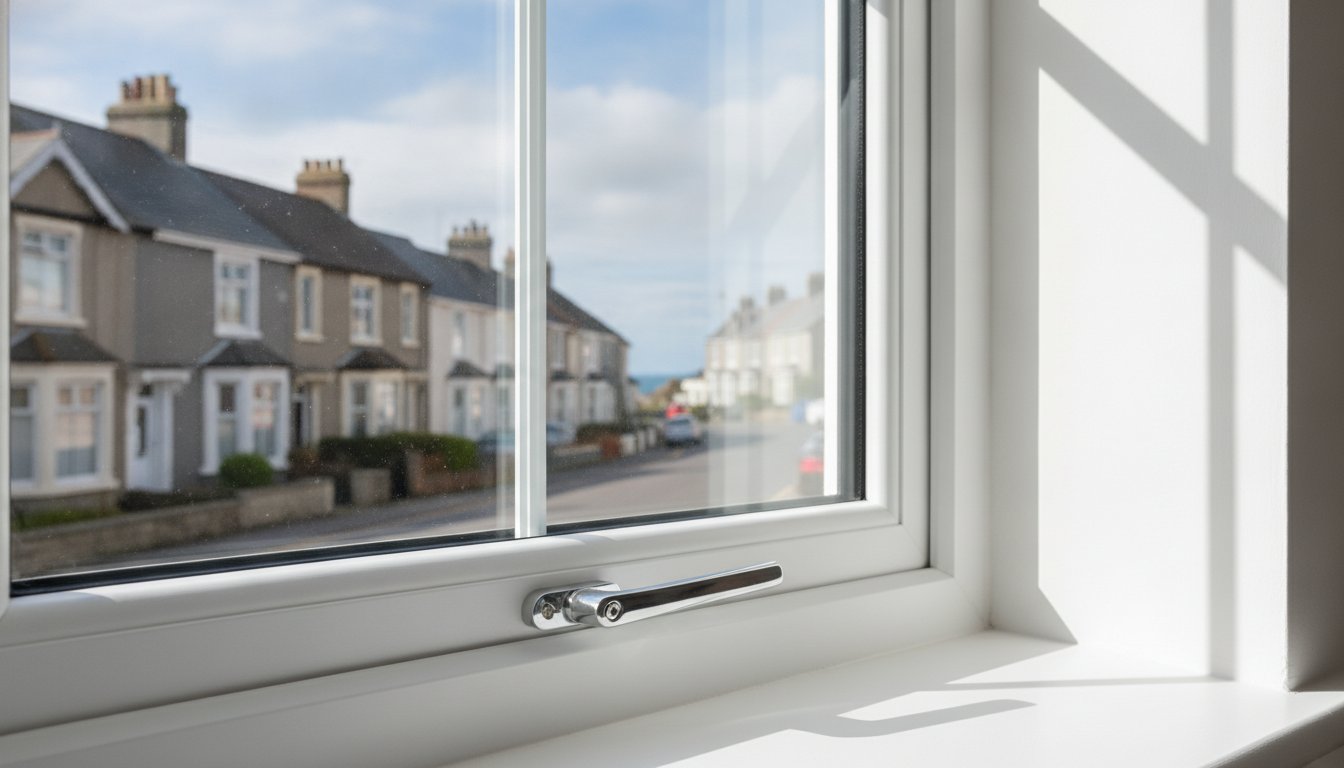
Did you know that uPVC windows hold a 75% share of the UK market? Despite this popularity, many homeowners searching for uPVC windows North Wales still find themselves dealing with salt-corroded hinges or whistling draughts after just a few winters. It’s a common frustration. You want to upgrade your home, but the fear of “cowboy” installers or products that fail against the Irish Sea winds can be overwhelming. You need a solution that lasts.
Choosing the right windows requires a specific approach that accounts for our unique coastal climate. This guide provides a practical, no-nonsense checklist to help you vet local installers and select high-performance products. We’ll explain how to meet the mandatory 1.4 W/m²K U-value standards whilst ensuring your home stays secure and energy-efficient. You will learn exactly what to look for to reduce heat loss by up to 60% and achieve a stress-free installation that adds lasting value to your property.
Key Takeaways
- Identify visible signs of seal failure and draughts to confirm when a replacement is necessary.
- Select the correct specifications for uPVC windows North Wales to withstand high winds and salt-air corrosion.
- Verify installer credentials, including FENSA registration and insurance-backed guarantees, to ensure building regulation compliance.
- Prioritise A+ energy ratings and multi-chambered profiles to maximise heat retention and lower utility bills.
- Follow a practical checklist to guarantee a stress-free installation that adds long-term value to your home.
Assessing Your Current Windows: The Pre-Replacement Checklist
Homeowners often wait until a window is hanging off its hinges before considering a replacement. This is a mistake. Identifying early warning signs can save you significant money on heating bills and prevent structural damage. Begin by examining the glass. If you see internal condensation or a “misted” appearance between the panes, the unit has failed. This indicates the hermetic seal is broken and the insulating gas has leaked out, rendering the double glazing ineffective.
Next, evaluate the physical operation of each unit. Handles should turn smoothly without resistance. Hinges should hold the sash firmly in place without sagging. If you notice the frame is difficult to close or requires force to lock, the hardware or the frame itself may be warped. This is particularly common with older uPVC windows North Wales properties have endured through decades of coastal storms and varying humidity levels.
Don’t ignore the sound. Modern window technology acts as a barrier against more than just the cold. It provides a vital acoustic buffer. If the noise from the street or the wind seems louder than it used to be, the seals have likely compressed or perished. A simple draught test involves moving a hand or a piece of tissue around the frame edges on a breezy day. Any movement indicates a breach in your home’s thermal envelope that will lead to higher energy costs.
Spotting the Signs of Thermal Inefficiency
During the winter months, feel the internal glass surface. If it feels ice-cold to the touch, your windows are underperforming. You should also check for warped frames that prevent the multi-point locking system from engaging correctly. In our region, extreme weather can sometimes cause older, low-quality frames to bow. This creates tiny gaps that let heat escape and allow damp air to enter your living space.
Evaluating Security and Safety Risks
Security is a major concern for any homeowner. Test your current locks to see if they meet modern insurance requirements. Inspect the uPVC itself for signs of cracking or brittleness. Older plastic can become “chalky” over time, making it easier for intruders to bypass. Finally, assess your fire egress. Every habitable room on the first floor must have at least one escape window with a clear opening of 0.33m² and a minimum width or height of 450mm to meet current safety regulations. If your current uPVC windows North Wales don’t meet these standards, a replacement is a priority for your family’s safety.
Choosing the Right uPVC Specification for North Wales Homes
North Wales properties face unique environmental challenges. High winds and horizontal rain are standard here. When selecting uPVC windows North Wales, the internal specification matters more than the outward appearance. Standard frames often fail to handle the structural stress of coastal gusts. You should look for multi-chambered profiles. These internal pockets of air provide essential rigidity and prevent the frame from bowing under pressure. They also act as thermal breaks, stopping heat from escaping through the plastic itself.
While local expertise is essential for installation, the principles of high-quality fabrication are universal; for example, European specialists like MAD Fenster demonstrate how precision engineering can further enhance frame durability and thermal performance.
Coastal rain ingress is a common issue in towns like Llandudno or Colwyn Bay. Ensure your chosen windows feature high-grade, dual-compression weather seals. These gaskets should be made from durable materials that don’t become brittle in the salt air. Look for hardware that pulls the sash tightly against the frame when locked. This creates a watertight seal that keeps driving rain outside. Glass choice is also vital. Use low-emissivity (Low-E) glass on north-facing elevations to retain heat, whilst considering solar control glass for south-facing rooms to prevent overheating.
Understanding U-Values and Energy Ratings
Energy efficiency is measured by the British Fenestration Rating Council (BFRC) using an A++ to E scale. For North Wales homes, prioritise A+ rated units. A U-value is the rate of heat transfer through a structure. Lower values are better. In Wales, replacement windows must have a maximum U-value of 1.4 W/m²K. Don’t confuse the glass rating with the overall window rating; the frame performance is equally important. Investing in a high-spec unit can reduce heat loss by up to 60%.
Frame Styles and Aesthetic Integration
The style must match your property’s architecture. Casement windows are versatile and offer excellent weatherproofing. Tilt and turn styles are practical for high-rise flats or hard-to-reach areas. If you live in a traditional stone cottage, sliding sash windows maintain the heritage look whilst providing modern thermal benefits. Popular colours like Anthracite Grey are now engineered with UV-resistant foils to prevent fading. Ensure the frame depth is compatible with your existing stonework or brick to avoid messy internal finishing. If you are unsure which profile suits your specific location, you can view our range of double glazed windows designed for local conditions.
Vetting Local Window Installers: A Professional Standards Checklist
Choosing a local company for uPVC windows North Wales isn’t just about finding the lowest price. It’s about finding a team that understands the structural demands of the region. A poorly fitted window will leak, rattle, and fail to meet thermal standards regardless of the quality of the glass. Start your vetting process by asking for specific examples of local work. Properties in this area vary from Victorian brick terraces to traditional stone cottages. Each requires a different installation technique to ensure a weather-tight finish. Check independent platforms like Google or Trustpilot. Avoid relying solely on testimonials hosted on a company’s own website; these are often curated to show only the best results.
Use this standards checklist during your initial consultations:
- Confirm membership of a Competent Person Scheme such as FENSA or Certass.
- Verify they provide an Insurance-Backed Guarantee (IBG).
- Ask if the installation team are direct employees or sub-contractors.
- Check for experience with coastal-grade hardware and wind-load requirements.
The Importance of FENSA Accreditation
A FENSA or Certass registration is your proof that the installer complies with UK Building Regulations for windows. These bodies allow installers to self-certify their work. This saves you from paying for a separate Local Authority Building Control inspection. When you eventually sell your property, solicitors will demand the certificate for any windows replaced after April 2002. Without it, the sale could be delayed or require expensive indemnity insurance. Accreditation also ensures your installer is regularly vetted for workmanship and financial stability.
Reviewing the Quote and Contract
A professional quote should be clear and comprehensive. Demand a fixed-price contract to avoid surcharges on the day of the fit. Ensure the document includes a full breakdown of materials, labour, and VAT. It should also explicitly state that the removal and disposal of your old frames is included in the service. Ask about manufacturing lead times. High-quality uPVC windows North Wales homeowners order are typically bespoke. A realistic timeframe is often between four to eight weeks. If a company promises a three-day turnaround, they may be using off-the-shelf stock that won’t fit your apertures perfectly.
Regional Considerations: Adapting to the North Wales Climate
North Wales weather is unforgiving. Salt spray and gale-force winds are part of daily life for homeowners here. When installing uPVC windows North Wales, standard off-the-shelf components aren’t enough. You need materials specifically engineered for a maritime environment. Coastal towns like Llandudno require 316-grade stainless steel hardware as a minimum standard. Zinc-plated hinges, commonly used in inland properties, will rust within months when exposed to salt air. This leads to stiff operation and eventually total mechanical failure.
For homes on elevated hillsides or exposed coastal plots, you must specify high wind-load ratings. The installation technique is just as important as the product itself. It must include robust perimeter sealing using high-modulus silicone. This prevents driving rain from being forced behind the frame and into your wall cavity during winter storms. If your home sits near the A55 corridor or busy tourist centres, consider acoustic glazing. This thicker, laminated glass reduces external decibel levels significantly, ensuring the interior of your home remains a quiet sanctuary.
Coastal Corrosion and Hardware Durability
Standard hinges often fail because their protective coating is too thin for North Wales coastal zones. We recommend “Coastal Grade” finishes for all external furniture, including handles and letterboxes. These components are designed to resist the corrosive effects of salt spray. A simple maintenance routine is also vital. Rinse your window frames and hardware with fresh water every few months to remove salt deposits. This small task extends the life of your weather seals and keeps the moving parts operating smoothly.
Planning Permission in North Wales Conservation Areas
Certain areas in Llandudno or Conwy have strict aesthetic rules. uPVC styles may be restricted if your property is within a conservation area or a listed building. Some local councils use “Article 4 Directions” to remove permitted development rights, meaning you cannot change the window material without formal consent. In these sensitive locations, “Heritage” uPVC ranges are often the best solution. These feature mechanical joints and slim sightlines that mimic traditional timber whilst providing modern thermal performance. If you are unsure about the regulations in your specific postcode, Ashe Windows can provide expert guidance on local planning requirements.
Finalising Your Project with Ashe Windows
Ashe Windows is a local independent specialist based in Llandudno. Our deep roots in the community mean we understand exactly how the coastal environment affects your home’s exterior. We don’t believe in high-pressure sales tactics or exaggerated marketing claims. Instead, we provide a professional, matter-of-fact service that respects your time and your budget. When you are choosing uPVC windows North Wales homeowners can rely on, you need a partner who prioritises durability over flair. We focus on delivering results that stand up to the Irish Sea winds whilst improving your property’s thermal performance.
Our range of high-quality double glazed windows is specifically selected for local conditions. These units meet the strict 1.4 W/m²K U-value requirements mentioned earlier in this guide. We ensure every frame and glass unit we supply is built to last. Our team provides a straightforward, practical survey to assess your needs without the fluff. We look at the technical requirements of your specific site, whether you are on an exposed hillside or in a sheltered terrace. This ensures the final specification is fit for purpose.
The Ashe Windows Installation Process
Our installation programme is methodical and efficient. We start with a detailed survey to ensure every bespoke unit fits your apertures perfectly. During the fit, our installers work carefully to minimise disruption to your daily routine. We are committed to keeping your home tidy. This includes the responsible disposal of your old units as part of our standard service. Once the work is complete, we conduct a final walkthrough with you. This ensures every seal is tight and every lock operates smoothly. We focus on long-term reliability and provide dependable local aftercare should you ever need us.
Start Your Home Improvement Journey Today
Upgrading your home is a significant investment. We invite you to request a practical, no-pressure quote for your project. Our expertise extends beyond uPVC windows North Wales. We also specialise in composite external doors and home extensions that complement your new glazing. Whether you are looking to replace a single failing unit or undertake a full house renovation, we provide the same level of professional attention. Our goal is to make your home more secure, energy-efficient, and comfortable for years to come. Contact Ashe Windows for your North Wales window replacement to speak with a local expert today.
Upgrade Your Home with Confidence
Replacing your windows is a significant step toward a warmer, more secure home. By following this checklist, you ensure your installation meets building regulations whilst resisting the unique challenges of our maritime climate. Prioritising accredited installers and coastal-grade hardware protects your investment from salt-air corrosion and high wind loads. These practical steps guarantee long-term reliability and performance for your uPVC windows North Wales project.
As a local Llandudno independent specialist, Ashe Windows provides expert installation of energy-efficient double glazing. Our team also delivers comprehensive home improvement solutions, including home extensions and bespoke garden rooms. We focus on straightforward advice and professional results that add genuine value to your property. Take the first step toward a more efficient home by booking a practical assessment of your current glazing.
Request a Professional Window Survey in North Wales
We look forward to helping you transform your home with a stress-free, professional installation.
Frequently Asked Questions
How much does uPVC window replacement cost in North Wales?
Window replacement costs depend on the number of units, opening styles, and technical specifications required for your property. Factors such as high wind-load ratings or coastal-grade hardware will influence the final investment for your home. Because every property in our region is different, we always recommend a professional site survey to provide an accurate, fixed-price quote based on your specific requirements and location.
Do I need planning permission to replace windows in Llandudno?
Most window replacements in Llandudno fall under permitted development and don’t require planning permission. However, if your property is a listed building or situated within a conservation area, specific restrictions may apply. Some local streets are subject to Article 4 Directions that mandate certain styles or materials to preserve the town’s Victorian character. Always check with your local authority or a specialist installer before starting work.
How long does a typical window installation take for a 3-bedroom house?
A typical installation for a 3-bedroom house with 8 to 10 windows usually takes between one and three days to complete. Our team works efficiently to ensure your property is secure and watertight at the end of each working day. The exact duration depends on the complexity of the removals and the prevailing weather conditions on the North Wales coast during the project.
What is the difference between double and triple glazing for energy efficiency?
Triple glazing provides a lower U-value and better acoustic insulation than standard double glazing units. Whilst triple glazing is excellent for north-facing rooms, high-performance A+ rated double glazed units are often sufficient for most uPVC windows North Wales installations. The choice depends on your specific goals for heat retention and noise reduction, especially if you live near a busy road or exposed hillside.
Can I replace my windows in the winter in North Wales?
You can replace windows during the winter months in North Wales without any issues. We plan the installation carefully to ensure only one room is open to the elements at any given time, which effectively minimises heat loss. Our installers are seasoned professionals who are experienced in working around local weather patterns to complete the project safely and efficiently regardless of the season.
What should I look for in a window guarantee?
A reliable guarantee should cover both the frames and the sealed glass units for at least 10 years. It is vital to ensure the installer provides an Insurance-Backed Guarantee (IBG) for your peace of mind. This protects you if the company ceases trading, ensuring your warranty remains valid. Always check the fine print for specific exclusions regarding coastal corrosion or hardware failure in salt-heavy zones.
How do I maintain my uPVC windows in a coastal environment?
Maintaining windows in a coastal environment requires regular cleaning to prevent salt build-up. Rinse the frames and glass with fresh, soapy water every three months to keep them in top condition. You should also lubricate the hinges and locking mechanisms with a silicone-based spray twice a year. This ensures they continue to operate smoothly despite the constant exposure to the salt air.
Is uPVC better than aluminium for North Wales homes?
uPVC remains the most popular choice for uPVC windows North Wales homeowners select, holding a 75% share of the UK market. Whilst aluminium offers slimmer sightlines, modern uPVC profiles provide superior heat retention and are highly resistant to the damp, salty climate. Both materials are durable, and specialists like Trade Tech Windows & Doors offer high-quality glazing solutions in both uPVC and aluminium for various projects. However, uPVC often provides better thermal value and is more cost-effective for traditional residential properties in our local area.